
Why Should You Avoid Using Only “AND”?
At B2 level, examiners expect you to show variety in your connectors. If you only use and, it sounds basic and doesn’t demonstrate the full range of your English. But in fact, and can express many different purposes. By choosing the right alternative, you sound clearer, more precise, and more advanced.
According to the classification:
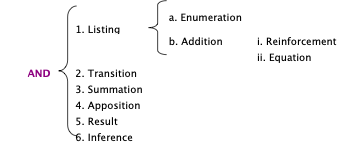
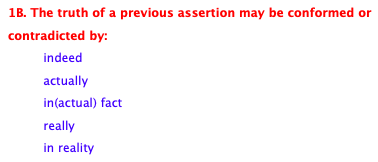
Listing – to organise your ideas in order.
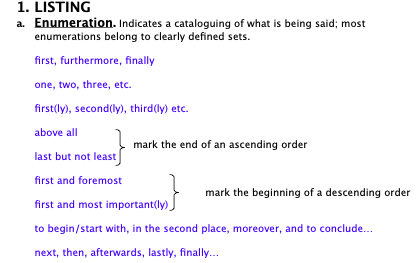
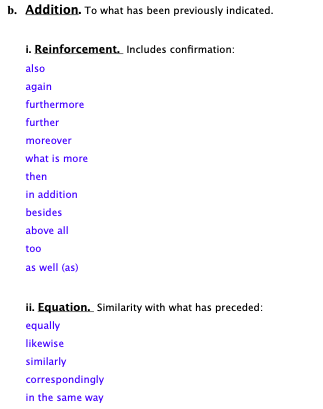
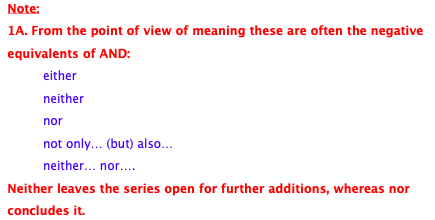
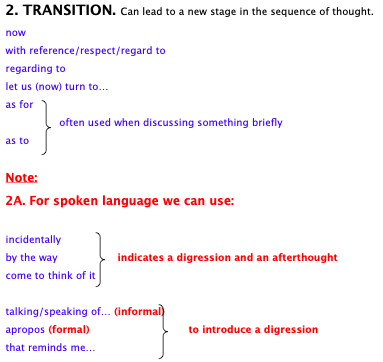
Transition – to move to a new stage of thought.
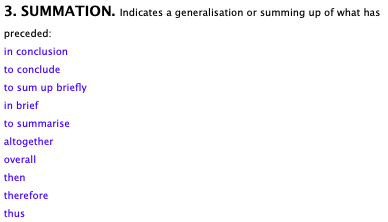
Summation – to summarise or generalise.
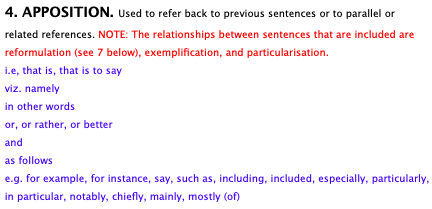
Apposition – to reformulate, exemplify, or clarify.
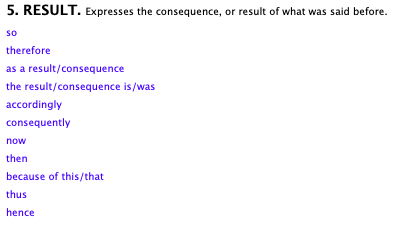
Result – to show consequence.

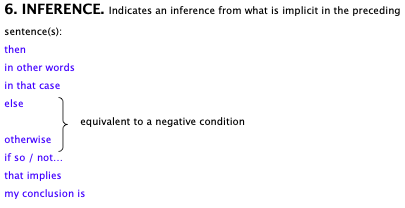
Inference – to draw a conclusion or implication.
Why Should You Avoid Using Only “OR”?
Like and, the connector or is often overused in basic English. But at B2, you can replace it with more precise alternatives depending on the function:
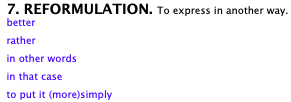
Reformulation- used when you want to express the same idea in another way.
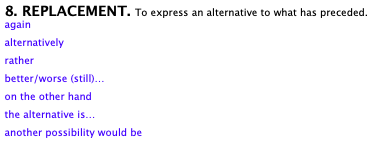
Replacement- Used when you want to offer an alternative or substitution.
Why Should You Avoid Using Only “BUT”?
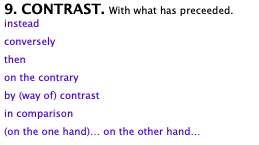
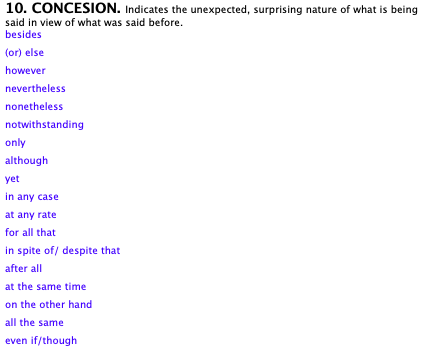
But is one of the most overused connectors in Speaking and Writing. At higher levels, you are expected to show contrast or concession more flexibly:
Contrast- to show an opposite or different idea.
Concession- to show something surprising or unexpected, despite what was said before.
Why This Matters for Your Exam
Examiners reward variety and precision → your marks in Speaking and Writing can increase.
Using just and → makes your English sound repetitive and simple.
Using the right connective → shows you know how to clarify, develop, or summarise ideas.
How to Use Connectives Correctly
1. Connectives at the Beginning of a Sentence
Many advanced connectives can start a sentence. They are usually followed by a comma. This makes the connection clear and improves coherence. Examples:
- Moreover, the project improved team communication.
- However, the results were disappointing.
- Therefore, we decided to change the plan.
Tip for students: This works very well in formal writing (essays, reports).
2. Connectives in the Middle of a Sentence
Some connectives can also be placed between two clauses, often after a semicolon (;) or before the second clause. They are usually surrounded by commas if they interrupt the flow. Examples:
- We tried our best; however, we didn’t succeed.
- She studied very hard, and as a result, she passed the exam.
- We could go out; alternatively, we could stay home and watch a film.
Tip for students: This structure makes writing look more sophisticated.

The list of connectives we are sharing in this lesson is not random. It comes from research by the British Council for teacher training courses and is based on a famous grammar book: A Grammar of Contemporary English by Quirk, Greenbaum, Leech, and Svartvik (Longman, 1972).